Podcast: Building Noble Hearts

  • It Transcended Us to Another World

    Building Noble Hearts
    Building Noble Hearts
    It Transcended Us to Another World
    Loading
    /

    Music & Clips

    Radiolab “Sound as Touch” episode

    Sun Up by Stephen Katz and Derek Snyder

    Pictures at an Exhibition by Modest Mussorgsky played by Alexander Ghindin. 


    Transcript

    Margaret Watts Romney:
    If you could go anywhere in the world and share a musical experience with the people there, where would you go and what would you do?

    Joan Krzywicki:
    Well, …..this can be anything, right?

    MWR:
    Yes….anything…sky’s the limit!

    MWR: Joan Krzywicki 

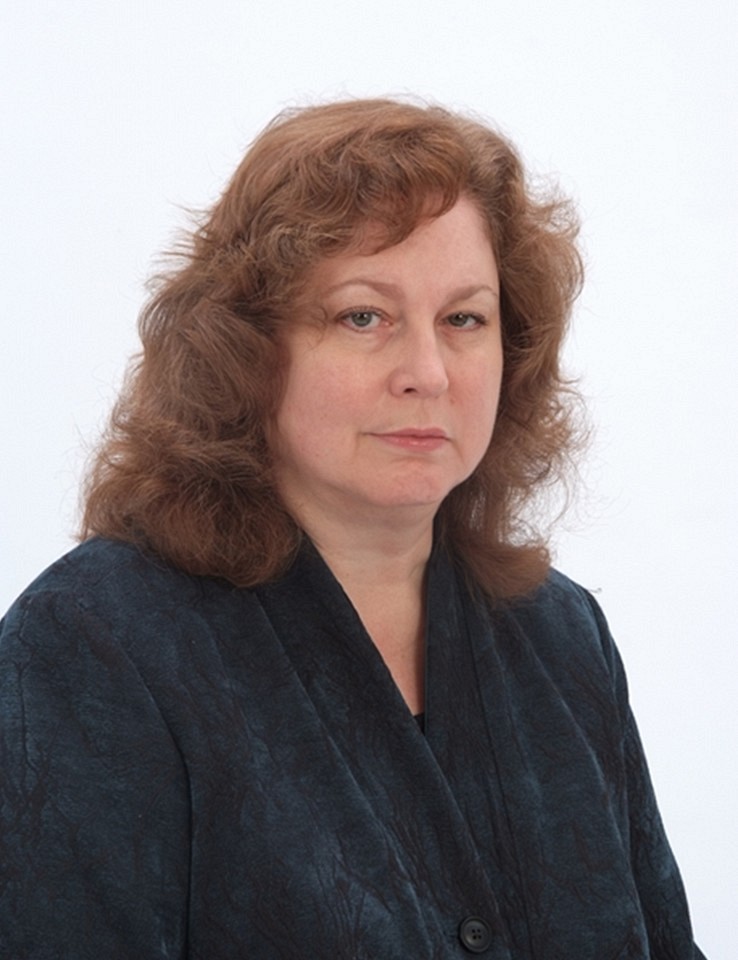
    JK: My name is Joan Krzywicki

    MWR: …is a pianist, teacher, 

    JK:…in a suburb of Philadelphia, PA.

    MWR: parent, grandparent and more…

    JK:…I’m currently the chair elect on the board of the SAA. 

    MWR: And she’s been playing piano…for a while…

    JK: The earliest thing I remember was I was about 5, and my mom bought a piano. Before that I had been somewhat precocious and I had sort of Taught myself to read words. Just by asking a lot of questions, nobody formally taught me, I just figured it out. When my mom bought the piano she also bought this book “Teaching little fingers to play” and it was sitting there on the piano, and so I crawled up and started reading the book and teaching myself how to play the piano. So my mother thought, well, I had better get you a teacher. So I was either about to turn 6, or had turned 6. She was a young woman in the neighborhood that I started taking lessons from. I still keep in touch with her today. She is in her late 80’s and we still correspond. But that was where I began. And then I took to it very quickly. I progressed very quickly. I think I was about 10 when I knew I was going to be involved with music for the rest of my life. 

    My childhood idol was my elementary music teacher. She wheeled her piano from classroom to classroom. She came in and gave us music classes. I joined her choir and I joined her autoharp choir, and I played the piano for the 5th grade chorus. She was my idol. And from there on, anything that had to do with music, I was involved in.

    MWR:Since those days idolizing her elementary school music teacher, Joan has a lifetime of experience performing and teaching, but still she dreams of her next musical adventure.

    You’re listening to Building Noble Hearts, a production of the Suzuki Association of the Americas. I’m Margaret Watts Romney.

    Here, we’re taking a look at the learning environments in which children, parents, and teachers gain new knowledge and are encouraged to become fine individuals as well. We’re talking with members of the Suzuki music community inspired by humanitarian violinist Shinichi Suzuki, and finding themes of good teaching everywhere such as listening, community, creativity, and more.

    So, what musical experience does Joan wish for?

    JK:Well, my very favorite pianist right now in the world is a man named Krystian Zimmerman. He’s just an incredible pianist. He was originally from Poland, but right now he lives in Switzerland. He refuses to come to the US anymore for political reasons, it’s a long story, um, but,, and he’s very elusive, I can’t find on the internet anymore, where is he performing…but if I could find that out, I would hop on a plane and go hear a concert

    The last time he played here in Philadelphia, many years ago, I just remember walking out of that auditorium and feeling like I had had a religious experience. It just…it just transcended all of us in the audience to another world. THe tone, the just the musical expression, was totally beyond what I had experienced before 

    MWR: Joan experienced transformation from listening.

    But not for the first time. Her life was first transformed by the music from the elementary school music teacher she idolized when she was a child. Just seeing the teacher walk into the classroom wheeling her piano gave her a thrill. She knew music would fill the room, and all she wanted for the rest of her life was more of it. 

    She also saw the difference that listening made in the lives of her own children. When they were young, they played violin and studied with Suzuki teachers. Their lives were immersed in music from the listening that all Suzuki teachers expect of their students, and they lived in a house with musician parents as well. 

    JK: My own children are adopted, they are not biological, so I love to tell people that, because they both became excellent Suzuki violinists. They played beautifully in tune, they had beautiful musical expression, they played in orchestras, chamber music, they really had great experiences musically. It had to come from the listening. My husband’s also a musician and people easily could have said, well, they’re good because you’re both musicians. Well, we couldn’t say that. 

    MWR: Her children became excellent musicians, not because of the possible DNA music talent passed on to them, but because of the environment they were immersed in. Score one for nurture. Just like a child listening to and learning the language of their parents, Joan’s children learned the language of music by first marinating in the sound.
    As a teacher, Joan also saw the effects of listening immersion in her students, one in particular…

    *JK: I ended up taking a couple of students with me to Japan to participate in a 10 piano concert there. Well, both of the students were put in a home for two weeks with a Japanese family and their daughter was participating in this program. That mother was very very devoted to the whole Suzuki philosophy, and my student was in book 5 and she heard this child in that home playing a particular piece in book 5 for two to three hours every day, and when she wasn’t practicing, she ..the mother had the cd on going over and over again. 

    I mean when she was there, she was playing a totally different piece, on this concert, and but you know, this was a piece somewhat in her future, I hadn’t even planned on her learning it yet. 

    And when that student came home and came to my house for a lesson, she sat down and played that whole piece, and I had never given her a lesson on it before, and It’s like a 12 page sonata, and I thought, well this really shows, if you have that intense listening, it works. *

    MWR: Joan saw that listening transformed her children, her students; and she sees how listening expands her community today.

    JK: Well, one of my favorite things to do is attend recitals where my students perform, or other students perform as well. In our Philadelphia area we have a Suzuki graduation program where whoever reaches certain levels… they just submit a video to show they are at that level..to a committee, and then we have an afternoon of recitals, a and this included not just piano, but violin and guitar. So we divide the students up into three recitals, it’s a long afternoon, but it is to me just one of the best afternoons in the whole world, just hearing all those students perform.
    What draws me to it, I think, …those particular students have an opportunity to polish a piece, a little more than they would otherwise, knowing it’s going on this videotape, going to this committee, and then they have the opportunity to perform in this recital, and we even have a rehearsal, we make a big deal about this, and it raises the level, it raises the standards for all of the teachers in the area and so for me, it just keeps me always searching for another level of excellence with my students. 

    MWR: In addition to raising the bar among the community of teachers and students, Joan enjoys these graduation recitals, because they change her own perception of what is possible, what excellence she aims for with her own students. 

    But…Why is listening so powerful? How does it engender a feeling of transcendence in the listener? How can it accelerate a child’s musical development, or bring excellence to a community? 

    Well, probably because sound is powerful. We can close our eyes, but not our ears. We hear our mother’s voice from before birth even though we don’t see clearly until days after. 

    To understand how intimate sound is, here’s a clip from the RadioLab podcast Episode “Sound as Touch.” 

    FROM RADIOLAB. https://www.wnyc.org/radio/#/ondemand/91514 from about 5:00 to 7:40

    Robert K: Sound waves literally touch the bones in our ear and set them to vibrating. These waves of air can be felt through our whole body and can touch us very deeply physically and emotionally. Actually, sound is touch at a distance. 

    “AF: Actually sound is kind of touch at a distance…

    RK: That was Anne Fernald, director of the center for infant studies at Stanford. And when Anne says, “Sound is more like touch.” This is something I learned from Jonah Leherer…..Thinking about sound as touch, how does sound touch your brain? Take us on that journey.

    Jonah Leherer: Waves of vibrating air. Your voice box compresses air, air travels through space and time, and into the ear. Waves of air are focused and channeled into the eardrum which vibrates a few very small bones, and the little bones transmit the vibration into this salty sea where the hairs are, and the hair cells become active when they are literally bent by a wave. Bent like trees in a breeze. When these hair cells bend, charged molecules flood inward and activate the cell.

    RK:The sound triggers the bones, the bones disturb the fluid, the fluid rocks the hairs, and then the hairs set of essentially electricity? 

    JH: Yes, that’s the language of neurons. 

    RK: all those changes from waves to bones to electricity were a trip on their way to being heard. it’s only when the electricity finally forms a pattern in your brain. Only when it’s deep inside, that’s when you hear something. 

    AF: It feels to me more like touch. Sound is kind of touch at a distance

    MWR: In this episode, Anne Fernald’s work is focused on the sounds mothers make to connect with their babies. It’s as if the mothers are keeping a connection, keeping in touch with their babies even if they are not holding them. Through sound, the mothers can touch at a distance. 

    This is why the Suzuki method is so successful. Because there is no more intimate interaction than that of physical contact. And as we just heard, sound is just that.

    Listening and music can transform, but words between people touch and influence deeply as well. 

    Joan told me many times that listening had influenced her life. Most recently, she experienced how listening influenced the culture of the board of the Suzuki Association of the Americas. 

    JK: We all spend a great deal of time just listening to the ideas of each other and along with that is the safe environment that we are all in at that time. We are free to express our ideas without criticism, without feeling unimportant. It seems that all of us support each other both in listening to each other and in respecting what we each have to say. So to me, that is all very Suzuki.

    MWR: Joan finds deep listening in all aspects of her life from the boardroom to the classroom to the recital hall. And while she dreams of experiencing Krystian Zimmerman in person and relishing again that feeling of transcending to another world, she finds little moments of transformation everywhere. 

    If we are quiet and listen…………if we allow ourselves to be touched from a distance by music, or words, Perhaps we can welcome transcendence…Perhaps we will let ourselves be transformed…perhaps we can personally grow and progress.

    As Joan said in an educational video commenting on listening

    JK: This is perhaps the single most important element for making steady progress, and progress leads to joy. 


    MWR: Do you have an influential educator in your life like Joan that you would like to recognize? Nancy Modell, Christie Felsing, and John Kendall are some of the people who have stars named after them on the Giving Galaxy of Stars on the Suzuki Association of the Americas website. Go to suzukiassociation.org to dedicate a star to your influential educator, and we may acknowledge them here on the podcast as well. 

    Our theme music, “Sun Up” is composed by Steven Katz and Derek Snyder and performed by the Snyder cello army.

    Thank you to WNYC for the use of RadioLab’s explanation sound from their episode, “Sound as Touch.” You can find their ear-candy shows anywhere you get your podcasts, or at radiolab.org

    The excerpts from Pictures at an Exhibition by Modest Mussorgsky were played by Alexander Ghindin. 

    We receive artful and essential production assistance from Methusaleh Podcast Productions.

    If you like what you heard today, give us a review on iTunes, or join the conversation on Twitter at Suzukiassn or on our website at suzukiassociation.org/discuss/suzuki/
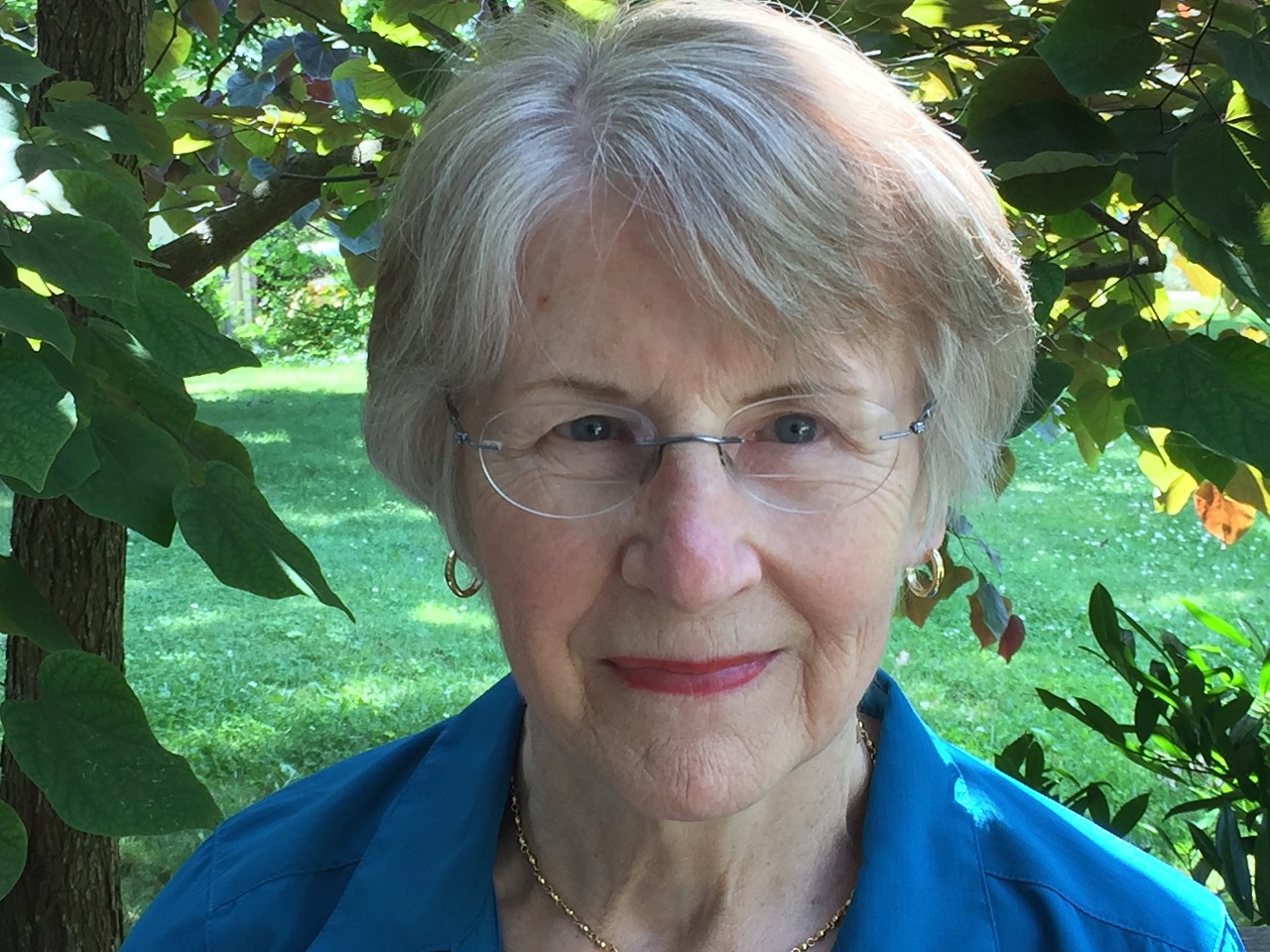
    Joan Krzywicki

    Joan Krzywicki earned a BME degree from Indiana University where she carried a second major in piano performance. She also has a master’s degree from Youngstown State University in Ohio. Joan became a Teacher Trainer for the SAA in 1993. She maintains a private studio in her home and also does teacher training at Temple University in Philadelphia. Joan is nationally certified by the Music Teachers National Association. She has been a guest clinician and teacher trainer at workshops and Institutes in the US, Canada, England, Sweden, and Argentina. Her students have earned the highest honors at both local and statewide festivals. Joan was the piano coordinator for the 2010 SAA conference, and she recently served on the SAA Board of Directors.
  • It Doesn’t Get Much Better Than This

    Building Noble Hearts
    Building Noble Hearts
    It Doesn’t Get Much Better Than This
    Loading
    /

    How are in-person and engaged communities created? What do they feel like when you’re in them? We interview group class expert and cellist Carey Beth Hockett to hear her answers.

    Music Clips:

    Sun Up by Stephen Katz and Derek Snyder

    Robin Hood Changes His Oil by Gideon Freudman, performed by the Alaska Cello Intensive

    Beethoven String Quartet Number 3 in D Major performed by Borromeo String Quartet


    Comments or questions? Join the conversation in the Suzuki Forum!


    Transcript

    MWR: Imagine—20 professional music teachers of different geographical, instrument, and experience levels enter a classroom. They are here to learn from specialist Carey Beth Hockett—who has been developing and sharing her own system of teaching groups of students. The teachers confidently remove instruments, quietly greet their colleagues, and respectfully await instruction. After some warm-ups and games where you never knew counting to 8 in intricate patterns could be so difficult, Carey asks for volunteers to create their own exercise… and ……just waits…..in silence…while everyone looks at each other…. 

    One of the most striking things in these classes is this sense of time and space, the awareness gained by listening to every member of the group. 

    When people start sharing ideas, inventing games, trying each other’s creations, An almost visible web of relationships is created in the room.

    These days much of socializing is based on screens….so how is this in-person and engaged community created so instantly?

    You’re listening to Building Noble Hearts, a production of the Suzuki Association of the Americas. I’m Margaret Watts Romney. Here, we take a look at the learning environments in which children, parents, and teachers gain new knowledge and are also encouraged to become fine individuals. We’ll talk with members of the Suzuki music community inspired by humanitarian violinist Shinichi Suzuki, and see themes of good teaching everywhere such as listening, community, creativity, and more.

    This week we’re featuring Carey Beth Hockett—a cellist, teacher at the Colburn School in Los Angeles, outgoing board member of the Suzuki Association of Americas, and incoming board member for the International Suzuki Association…but the way most people know her in the Suzuki teaching world is through her group class workshops. Hundreds of teachers have had the pleasure to join her group classes based on games which play around with music skills like…counting to 8, playing Twinkle Twinkle little star, or a one octave scale—with variations which make these simple exercises so surprising and intricate that the room is constantly filled with laughter as professional musicians flounder with their instruments. 

    As I interviewed Carey, it was clear she has been creating live, in-person, and engaged communal spaces even from a young age in Ithaca, NY.

    Carey Beth Hockett: I’m the youngest of 5 children. And my father, though not a professional musician, in his heart and soul he was a musician. He was a composer, he played the flute, and he loved chamber music so he had a huge collection of LPs and there was chamber music playing in the home ALL the time. My older siblings all played wind instruments, but when it came time for me to start, I wanted to be different, so a friend of the family had a viola and a cello they were willing to give to us, and I chose the cello. And started at about age 7.

    I remember that the first teacher I studied with tried to introduce vibrato in the fourth lesson, and it made me really nervous, and I told my parents so. Since of course, my parents weren’t in the lessons with me at that point, so we changed to another teacher, and I must have been hard to handle since I went through a number of teachers in the first few years. 

    The memory I have from my early days playing the cello is that my father was a pianist. He could manage a little piano playing and I loved to play with him accompanying me. I used to make regular trips to the local music store, and scour the boxes of cello music and find things I thought that he and I could play together and I’d go up to the front desk and give them this huge stack of music and say put it on my father’s bill, and walk out of the store with it. My recollection is that we would spend hours a day playing cello and piano together. I’m sure it wasn’t as long as I think it was, but it’s something I always remember being eager to do. 

    MWR: Carey built on those formative years playing and sharing music with her father, by studying at Eastman School of Music. But it wasn’t until after earning her degree in music and returning to Ithaca that she was introduced to Suzuki teaching—introduced not by other teachers, but by demand from an existing community of students.

    Luckily, these days teachers with Suzuki training are abundant and can be found from anywhere through the Suzuki Association of the Americas website, but in Carey’s early teaching days, the Suzuki teaching movement was just getting started, and students were asking her for this “Suzuki teaching.”

    I asked her what initially drew her to Suzuki teaching…what she was intrigued by. 

    CBH: Well, I don’t know that I was drawn to it or intrigued by it, what happened was actually I decided after I finished at Eastman to move back to Ithaca. At the same that I moved back there were two Suzuki teachers in town who were moving away, so they sort of created this vacuum that someone needed to fill. So when I got back to town I had people calling me and asking if I would take their kids who had started with these Suzuki teachers, and my answer always was, “I’m happy to give it a try, but I must tell you I’m not a Suzuki teacher. I haven’t had any training, and I don’t know anything about it, so if you understand that’s the situation, I’m happy to work with your kids.”

    One of the earliest experiences I had was with a woman who called and said she had a five-year-old son who was playing, so I made my usual claim about not being an experienced Suzuki teacher. I also told her I had never worked with anybody that young, but I said I would be happy to give it a try. So the next week she showed up at my house with this five-year-old of hers, with four younger siblings in tow. When I opened the door, I thought, oh no, this is a mistake and was tempted to say, “I’m sorry, you have the wrong house” and close the door on them, but I didn’t do that. I showed them into the room where I was going to be giving the lesson and she proceeded to settle these little kids in the corner of the room and give them something to occupy themselves with. 

    While her son the cellist took the cello out by himself, and sat down and waited for me to give him the lesson. I was so sort of overwhelmed by this whole operation that already I was curious. Then I asked him to play, I said, what would you like to play?” and he said, “I’ll play Allegro by Suzuki.” and I said, “ok, go ahead.” And he did, and it was so absolutely perfect in every way that when he finished all I could say was, “What else do you have to play?” which was not my usual experience in learning or teaching. Most of my experience with learning and teaching was kind of search and destroy—you play something and the teacher picks something to pick holes in. You find what’s wrong and you fix it. This didn’t lend itself to that kind of teaching. We just had to go on and figure out what came next and what he should learn next. 

    So, that was one of the early experiences that really intrigued me and made me wonder—how did this happen? How can this be happening?

    I think I’m such a sort of Maverick really at heart, I’m so rebellious, that I wasn’t going to be persuaded by any colleagues to start by studying Suzuki teaching and then do it. I think for me it had to be this way. Someone who had a successful experience came to me and converted me. I saw the results absolutely. 

    MWR: Carey saw ….sort of the tip of the iceberg of Suzuki teaching with this family. In this one child, she saw excellence, responsibility, patience, and openness. She knew that excellent family dynamics were part of the equation, but she also saw the quality of teaching this student had experienced. This was a window into the larger community of Suzuki teaching. 

    She saw results

    The first Suzuki community Carey joined included Sandy Reuning, Yvonne Tait, and Marilyn Kessler—all excellent string teachers who were some of the first in the US to use Suzuki teaching ideas and were strong advocates for spreading the ideas to other teachers. 

    Carey’s rebellious spirit pushed against the idea at first of joining this new Suzuki teaching movement, but again… it was her personal connections with people, her students, her community, that made a difference. 

    CBH: Once I was teaching at ITE, Sandy Reuning invited me to teach chamber music at the institute in the summer. And that was a really important experience because Yvonne Tait and Marilyn Kessler and some of these pioneers were there teaching cello and they essentially took me under their wing and they said we need you, Carey. We need more teachers who are willing to help us do this work. That’s sort of why I came around and allowed myself to be labeled. 

    I feel as though it’s sort of principles from the Suzuki approach that really govern everything that I do. The attitude that I take into the room when I’m teaching, the attitude towards the kids, towards their parents, toward my colleagues, It’s all based on that.

    Yesterday I went to my cello ensemble and I sort of went into my class, and the energy that the kids brought to it I felt revived. They are very positive and they are interested, and they are enthusiastic. They like each other they support each other they respect each other and I thought,”It doesn’t get much better than this.” 

    MWR: Three years ago, Carey Beth Hockett was invited to join the SAA board… a significant commitment of time and energy. I asked her why, with all she had on her plate, Why did she accept? She spoke of the gratitude and admiration she had for the individuals and the professional network she saw when she attended conferences. 

    CBH: I was really inspired by the speakers. Not just the special guest speakers, but just the sessions given by colleagues. There was a real rising level of professionalism. Of inspiring thinking. I remember anyone I would just sit down and talk to, I was so inspired by how deep thinking they were, how involved they were in what they were doing, how experienced they were. I just thought—it’s amazing to have so many wonderful, experienced, dedicated teachers in one place. I was really inspired by what I saw. 

    MWR: Recently, because of her service on the Suzuki Association of the Americas board, and her international experience from teaching for 18 years in London, Carey Beth Hockett was invited to serve on the International Suzuki Association board. She’s excited about connecting with the global Suzuki community.

    CBH: I want to have a better understanding of how things work. Once I have a better understanding, I’ll be in a position to help other people have a better understanding. We waste a lot of energy criticizing things without sufficient information. It’s a kind of modern problem, with information so readily accessible that we read something for two minutes and then we are an expert. I just don’t think that’s right. I think we need more time. We need to live with things for longer, we have to be more open minded. We have to look deeper when other people have different points of view than we do. We have to understand why, not just say, “Well, I disagree with you.”

    MWR: And that looking deeper, slowing down, asking questions, I’ve seen you teach in your creative group class workshops and it seems that it’s similar skills and strengths that you’re talking about with the ISA. Slowing down, hearing what’s being said, seeing what is called for for the next step. Does that ring true for you? 

    CBH: I think so. I’ve had a kind of epiphany after one of our board meetings. this epiphany I came away with from this meeting was actually we place much too much value on the answers.

    It’s the questions that are really the interesting thing. So if one can get to a point where, you’re not like a school child who has to have the answers to the questions to pass the test, but you’re a grown up, you’re a fully formed person who is happy to have questions just lead to more questions. 

    CBH: Because that’s what happens. Questions lead to more questions. You have to decide that questions are your friends, not your enemies. 

    MWR: My conversation with Carey Beth Hockett showed that it’s QUESTIONS which draw us together and create a community. Asking FOR things as well as asking ABOUT things. Asking and leaving a space for the answers. Asking …for a father to play with you… for new music… asking for permission to be imperfect with a new student,… asking for time with another person…the act of asking for things can connect us to others. 

    But we can also ask ABOUT things: what is happening here? What is it that makes a Suzuki teacher? How does this organization work? … What is needed here?

    By first asking and then leaving open space ………………to listen for the answers, we can build the environment to support ourselves and our students in our growth towards excellence.

    Join us in our next episodes as we continue to explore the ways we as parents and teachers can create these rich learning environments that can transform our students, and perhaps fuel our own growth as well. 

    Thanks for listening to Building Noble Hearts, a production of the Suzuki Association of the Americas. I’m Margaret Watts Romney.

    Our theme music, “Sun Up” is composed by Steven Katz and Derek Snyder and performed by the Snyder cello army. We also heard selections from Solos for Young Cellists arranged by Carey Cheney, Robin Hood Changes his Oil performed by the Alaska Celo Intensive, written by Gideon Freudman, and Beethoven String Quartet Number 3 performed by Borromeo String Quartet

    We received significant and invaluable production assistance from Methusaleh Podcast Productions.

    If you like what you heard today, tell someone about it, See you next time.

    Carey Beth Hockett

    Carey Beth Hockett has been actively involved in the Suzuki world for more than 40 years. She taught at the Ithaca Talent Education School and then for the London Suzuki Group and is now on the faculty of the Colburn School in Los Angeles. She was a member of the International Suzuki Association’s Cello Committee and served as repertoire consultant to the Associated Board of Royal Schools of Music in England and the Royal Conservatory in Toronto. She teaches string pedagogy at the Colburn Conservatory and is the Director of the schools’ Jumpstart String Program.

  • You Have to Go On, You Have to Grow

    Building Noble Hearts
    Building Noble Hearts
    You Have to Go On, You Have to Grow
    Loading
    /

    Who was Dr. Suzuki, why is there a community of teachers following his vision, and what ideas can apply to teachers anywhere? We talk with his former student, Winifred Crock, to answer these questions and more. 


    Music in this Episode

    “Sun Up” composed by Steven Katz and Derek Snyder and performed by the Snyder cello army. 

    Partita in E Major” by J.S. Bach performed by Karen Gomyo


    Transcript

    MWR: Winifred Crock was a young violin graduate student living in Illinois in the 80′;s—Poofy bangs, midwest farms, and lots and lots of hours in practice rooms. 

    She loved playing the violin, was becoming skilled at conducting, and knew she wanted to dedicate her life to teaching. 

    But where did her professor, John Kendall, send her to continue her studies? Not to the classical music master teachers in New York or Europe, but to Japan. Why did she make this transition from the homey midwest to an unfamiliar foreign culture across the globe to learn more about teaching children? 

    You’re listening to Building Noble Hearts, a podcast from the Suzuki Association of the Americas. I’m your host, Margaret Watts Romney.

    To consider why Winifred picked up and moved to Matsumoto, Japan, let’s first consider our own lives as parents and educators…

    Why do we give endless amount of time and money to our children’s academic, sports, and arts education? 

    Yes, it’s rewarding to see a child master difficult technical skills, perform well, or even receive a scholarship, but there’s something more that drives us. When a child displays empathy, determination, excellence, or artistic sensitivity…this is what fuels our dedication to children. 

    But…how do we create environments in which children and also the adults around them are encouraged to become fine individuals?

    To explore the answers, we will focus on the community started by humanitarian violinist Dr. Shinichi Suzuki. He saw that by teaching children to play music in the same way that a baby is lovingly taught to speak, he could not only create excellent musicians but build noble hearts in children as well. 

    What was it about Shinichi Suzuki’s teaching that inspired Professor John Kendall to send Winifred Crock to Japan to study? What did Winifred learn that has value for teachers and parents everywhere? 

    In 2016, Winifred gave a talk at the conference of the Suzuki Association of the Americas remembering her time in Matsumoto and exploring what she learned there. I was lucky to see her talk as well as ask her some questions….like how did she get the chance to study in Japan? 

    WC: I was incredibly lucky. I had studied pedagogy with John Kendall, at SIU Edwardsville, and this was the next step. Of course, it was a very expensive to go, and I was fortunate enough to get a Rotary Foundation Scholarship which paid for everything. Which was just…like I said…I was so fortunate. I was able to go, and one of the other things about this scholarship that was so amazing is you had a year before you went…after you received the scholarship…and they insisted on conversational Japanese as part of the whole experience. So I studied Japanese very intensively before I went, and then when I was there, and it really made the experience just so much more personal, because I did have that language connection with the people, with Dr. Suzuki

    MWR: You could integrate

    WC: Yes, it was very magical and I was very very lucky. 

    MWR: Winifred could connect with language, but was surprised by other parts of Japanese culture

    WC: I can remember I was so tall…I mean I’m almost 6 feet tall. I remember having a permanent bruise for several months because the door of the practice room hit right at my forehead, and if I didn’t duck, every single time, I would crash into the top threshold of the door. 

    And even just going out in public, because little kids would say, (Japanese words) which means very tall foreigner. There weren’t very many tall foreigners, and certainly not six-foot ladies with tall curly hair.

    And then, Japanese manners…. at one point the Rotary club got me a manners teacher because I kept doing the wrong thing. I was trying to be polite, but I just didn’t know all of the ways to be polite in Japan, and there were many…

    MWR: And that was when you were there, they gave you a manners tutor once you were already there? 

    WC: She’ll just need a few lessons…

    MWR: “We just need to tell you a couple things…”

    MWR: But grappling with culture shock wasn’t the reason Winifred traveled to Matsumoto. She was there for the music, and to learn from Dr. Suzuki.

    But who was this man? Why did Winifred learn a new language, fly to the other side of the globe, and endure extreme physical and cultural discomfort just to study with him? 

    She gave a talk at the Suzuki Association of the Americas conference in 2016 and explored who he was.

    WC: But who was Dr. Suzuki? What was he really like? Most pictures and videos and conference appearances show him smiling and laughing and playing games. He was fun and generous and joyful, but also very intense, focused and exacting. He was a man of vision, wisdom, and understanding, and he was always searching for a better way. He was incredibly disciplined. He woke each morning at 3 am to listen to graduation tapes from across the country, write comments for each and send them back to each child. By 8 am he was in school.

    MWR:

    Winnifred remembered his unusual teaching methods, his high standards, and his nurturing ways as well…

    WC: We met for group lessons once or twice a week for several hours of instruction. These lessons centered on playing together and games. There were focus games, memory games, tone comparison games, balance a hundred yen coin on your hand while playing Fiocco—don’t drop it! You have to start over! It was hard. Hop on a platform while playing a concerto and answer questions in Japanese. Don’t stop playing, and do’t start talking! It was crazy. We really learned our repertoire well. Trade the bow, backwards bow, weights on the bow, panda bow hold…games were serious business. They were always challenging, and each had a specific teaching point. Dr. Suzuki was always smiling, but his expectations were through the roof. 

    Another famous game was the chocolate tone. Everyone played a melody, and Dr. Suzuki would rate your tone; One chocolate tone, two chocolate tone, or…the prize…three chocolate tones. Occasionally he would also have us play the same piece on the same violin. This was fascinating. The comparison was amazing. Everyone’s sound was very different and very personal. It was an incredible exploration of sound. 

    WC (from interview): When I applied to go to Talent education. I sent in you know, tapes of my playing, here I was halfway through my graduate degree, here’s this sonata, this concerto. 

    When I got there, one of the first days the secretary handed me this bundle, and said, “Here’s your tapes!”

    She said, “We weren’t quite sure why you sent them. I said,”What?” She said, “Oh, no one ever listened to them.” And I said, “What! You accepted me as a student!” 

    And she said, “Dr. Suzuki will accept anyone who is willing to work and willing to learn.”

    There wasn’t an acceptance in terms of my playing level

    I know! Again, I was just shocked!

    MWR: You were just accepted

    WC: Yes. I was accepted.

    MWR: Dr. Suzuki’s environment for children included things like being immersed in listening, moving forward in tiny steps, and a warmly nurturing environment…but there was also variety and individuality in each of the lessons. Whether he was showing his own new idea or exploring the personal sound from a particular student…he was constantly trying new teaching ideas. 

    WC: Well, that story’s very funny because he’d tried this new idea with his Japanese class the day before, and then there were three of us that were very tall that year, and he did it with a couple of the students who were short, and it was working, and then he got to the three of us who were tall, and we were kind of pretty close to each other in our lesson order. I just remember this one girl, and he said, “Well, that won’t work!” and he was just so….it was… he just laughed, and he said, “Well, don’t do that.” It was so easy to see that, (he was) just so intent and almost desperate desire to find a better way

    MWR: But without judgment

    WC: No, just….let that go….or, that won’t work with these students. The day before it had worked beautifully, then he got to the tall ones and said, this is not for you.

    MWR: Dr. Suzuki was intent on the growth of his violin students, but also in the growth of the teachers studying with him. I asked Winifred about a specific statement from Dr. Suzuki she’d mentioned in her 2016 conference talk…

    MWR: “Students must be better than the teacher, or we will be back to the cavemen in a few generations.”; 

    Oh, that stunned me, because as a teacher I found this to be actually kind of terrifying, from both sides. If I’m better than the teachers around me, who will lead me, and how can I support my students to grow beyond me, if what I am is all I’m familiar with now?

    WC: He would say this question periodically or make this comment periodically, and I’ll never forget the day he looked right at me and said it. I thought, “Oh my gosh…he’s expecting me to be better than Dr. Su…” ….I was just overwhelmed… but this is what he is saying. This is…you have to move ahead. you have to go on, you have to grow. That is so fundamental. Which why he came back to this—we will return to cavemen—because you see teachers who really almost prevent their students from moving ahead, or must be the top of the top of the top. He really….no…do something better than I have done. Grow. Was just constant. 

    MWR: Winifred was immersed in Dr. Suzuki’s philosophies about teaching, and this became the foundation of her own teaching through her career. I asked her if there is one guiding principle that stands out a little bit more clearly for her when she works with her own students today. 

    WC: I think, for me, the most important…and there’s so many…I think the idea of the positive environment is so fundamental. Children learn if they’re afraid, and children learn if they’re loved. If you learn in an environment of fear, what happens is… you can move ahead, you can really be very excellent, but… what happens when the element of fear or the cause of the fear is removed… what is the motivation to continue? If you learn in an environment of love… there is a real possibility to love what you’re doing as well. There is nothing that needs to be removed. You really develop a love of what you’re doing,

    MWR: Where is Winnifred now? 30 years after her adventure in Matsumoto, Winifred Crock is living and teaching in St. Louis, MO where she has been conducting orchestras, teaching her own students, writing books, and lecturing at music conferences across the globe.

    Now, after all these years, after all the concepts she absorbed from her intense time in Matsumoto working with her mentor, I asked Winifred what inspires her now? What concepts from Dr. Suzuki are guiding her own progress forward?

    WC: This is truly, truly an incredible human being. And his humanitarian efforts are the same way…the idea that he really believed that through the language of music children could get together and to be together and communicate, without any other barriers. 

    And that was so fundamental to what he was doing. This idea that music for just….to make a beautiful human being is just a beautiful, beautiful concept. But then at the end of the day, he was just ..this man who loved us who was just working so hard to do it in a better way. 

    Winnifred grew and flourished in the environment Dr. Suzuki created. Not only as a violinist, but as an individual as well. Some elements of Dr. Suzuki’s teaching that stuck with her were… having expectations through the roof but with a smile…inviting everyone’s chocolate and individual sound… accepting anyone who is “Willing to work and willing to learn,”;… trying new ideas—or discarding them when they clearly “just won’t work”, and finally—creating a learning environment of love. 

    Now Winifred is using these same elements in her own studio to built the environment where students learn not only excellent musical skills but are encouraged to also become fine individuals.

    Join us in our next episodes as we continue to explore the ways we as parents and teachers can create these rich learning environments that can transform our students, and perhaps fuel our own growth as well. 

    Thanks for listening to Building Noble Hearts, a production of the Suzuki Association of the Americas. I’m Margaret Watts Romney.

    Our music, “Sun Up” was composed by Steven Katz and Derek Snyder and performed by the Snyder cello army. The Bach Partita in E Major was performed by Karen Gomyo. We received significant and invaluable production assistance from Methusaleh Podcast Productions.

    If you like what you heard today, tell someone else about it. See you next time.**

    Winifred Crock

    In demand as a clinician, lecturer and conductor, Winifred Crock has lectured at Midwest, NAFME, ASTA and SAA conferences and has been the featured string clinician at universities and conferences across the country and internationally. Mrs. Crock was the Director of Orchestras at Parkway Central High School, Parkway School District, for over 25 years and has maintained a private violin studio in suburban St. Louis, Missouri for far longer. Mrs. Crock holds music degrees from SIU-E and Kent State University. She is a graduate of the Suzuki Talent Education Institute in Matsumoto, Japan under the tutelage of Shinichi Suzuki, is a SAA Teacher Trainer and is a certified Kodály method instructor. She has received numerous teaching awards and is the author of publications including the Pattern Play for Strings Series, and with Laurie Scott and William Dick, the Learning Together Series, They have also been the recipients of the SAA Community Learning Award.